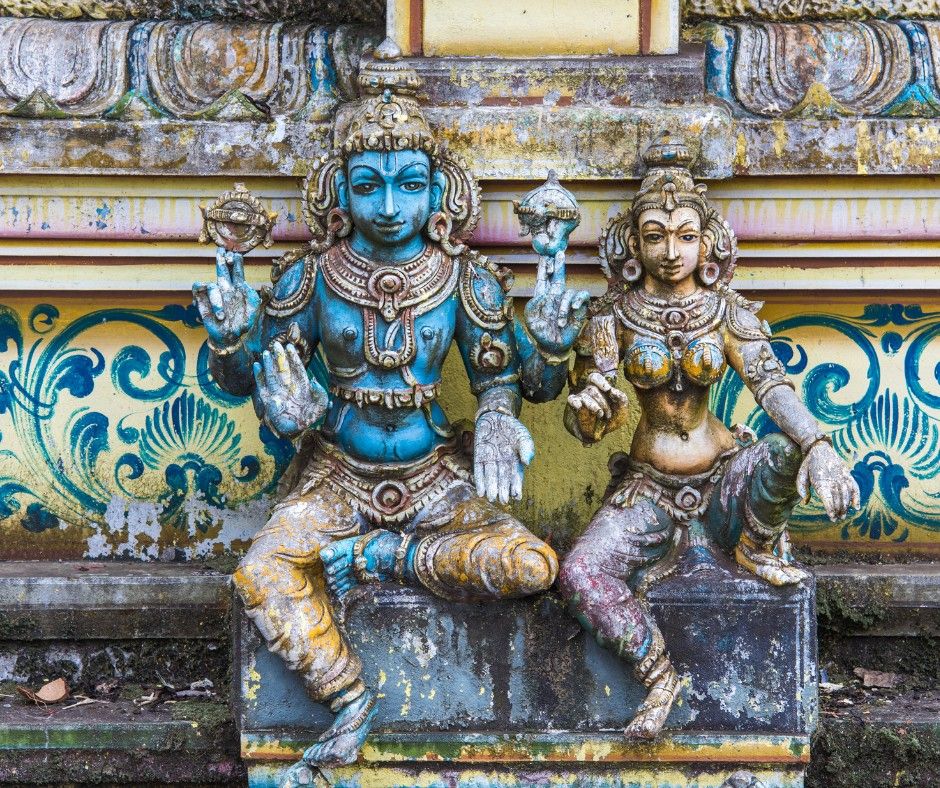
The Ramayana Trail in Sri Lanka is a captivating blend of mythology, culture, and natural beauty, rooted in the ancient Indian epic Ramayana. According to legend, Sri Lanka—referred to as Lanka—was the kingdom of King Ravana, one of the most powerful and complex characters in the epic. Many locations across the island are believed to be directly linked to events involving Lord Rama, Sita Devi, Hanuman, and Ravana, making Sri Lanka a deeply spiritual and culturally significant destination for Ramayana enthusiasts.
Today, these sites form a unique thematic travel experience that attracts pilgrims, history lovers, and curious travelers from across the world, especially from India and Southeast Asia.

Sita Amman Temple – Nuwara Eliya
Importance:
Sita Amman Temple is regarded as the most sacred Ramayana site in Sri Lanka. It is believed to stand on the location of Ashok Vatika, where Sita Devi was kept after being brought to Lanka by King Ravana. This is the only temple in Sri Lanka dedicated solely to Sita.
Key Features:
Importance:
These sites are closely linked to King Ravana. According to legend, Sita was hidden within caves behind Ravana Falls. The cave system is believed to have been part of an extensive underground tunnel network connecting Ravana’s strategic locations.
Key Features:
Importance:
Sigiriya is widely believed to have been one of Ravana’s palaces, later converted into a royal fortress by King Kashyapa. Its advanced hydraulic systems, urban planning, and commanding elevation support legends of an advanced ancient civilization.
Key Features:
Importance:
Rumassala is believed to be a fragment of the Sanjeevani Mountain, dropped by Lord Hanuman while carrying medicinal herbs from the Himalayas to revive Lakshmana during the battle.
Key Features:
Importance:
Munneswaram is an ancient Shiva temple believed to be visited by Lord Rama, who prayed here to seek forgiveness for killing Ravana, a Brahmin king and devoted follower of Shiva.
Key Features: